
Be Prepared

Build a Food Supply You Can Count On

Keep food on hand for whatever comes next, made from the meals your family already loves.

Being prepared isn't about expecting the worst

It's the peace of mind that comes from knowing there's good food on the shelf, whatever the week brings.

With a home freeze dryer, you can build that supply from the food your family already eats, instead of buying buckets of generic survival meals.

When it helps

Ready for Whatever Comes Next

A well-stocked pantry helps in big situations and small ones.

Power outages

Freeze-dried food doesn't need a freezer or refrigerator, so there's nothing to lose when the power goes out.

Storms and natural disasters

Keep meals on hand when roads close or stores run low.

Supply shortages

Rely on your own shelves when grocery items are hard to find.

Life changes

Job changes, illness, or a new baby are easier with meals already made.

Everyday confidence

Some people simply like knowing their family has food set aside.

Why it works

Why Freeze-Dried Food Lasts

Nearly all moisture removed

Freeze drying removes nearly all of the water that lets food spoil.

Sealed from air and light

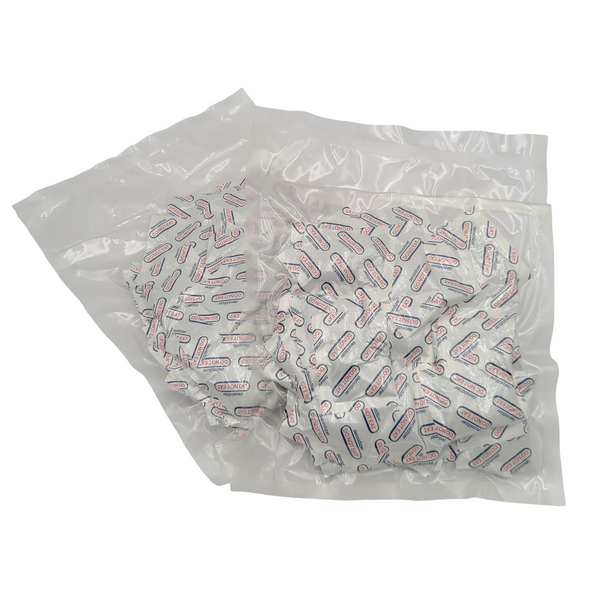
Mylar bags and oxygen absorbers keep out the air, light, and humidity that break food down.

Lasts 30+ years

Properly freeze dried, packaged, and stored food can last 30 years or more.

No freezer needed

Shelf-stable food doesn't depend on power, so nothing is lost in an outage.

What you can store

Not Just Survival Food

Most store-bought emergency food offers a small menu of the same few meals. When you freeze dry your own, your food supply looks like your kitchen.

  • Complete mealsChili, stew, lasagna, and casseroles your family already loves
  • Fruits and vegetablesFor snacks, sides, and cooking
  • Cooked meatsChicken, ground beef, and turkey
  • Dairy and eggsShredded cheese, yogurt, and eggs
  • Cooking staplesIngredients for baking and cooking from scratch

The result is a supply you'll be happy to eat, whether you need it next month or ten years from now.

How to

How to Build Your Supply

  1. Start with what you eat

    Freeze dry the meals and ingredients your family uses every week.

  2. Add a batch or two at a time

    Save extra portions whenever you cook, and preserve sale items and seasonal produce.

  3. Package for the long haul

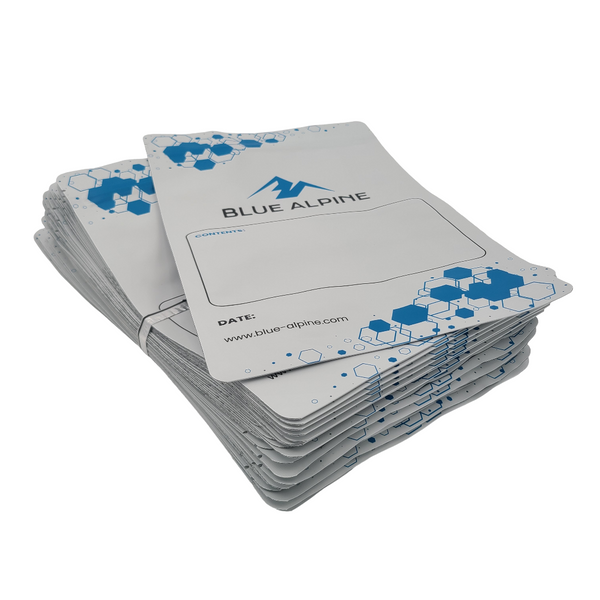
    Seal food in mylar with an oxygen absorber, and label each bag with the contents and date.

  4. Store it well

    Keep bags in a cool, dark, dry place, off the floor and away from heat.

  5. Rotate

    Use older food in your regular meals and replace it with fresh batches, so nothing sits forgotten.

  6. Don't forget water

    Most freeze-dried food needs water to rehydrate, so store water alongside it.

Find Your Freeze Dryer
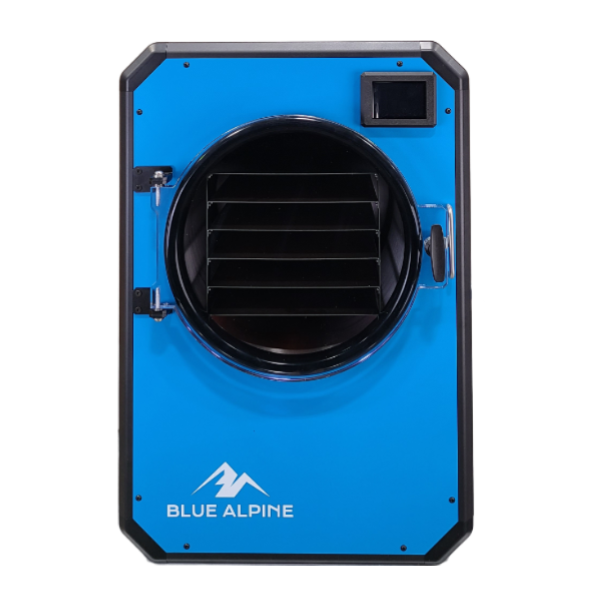
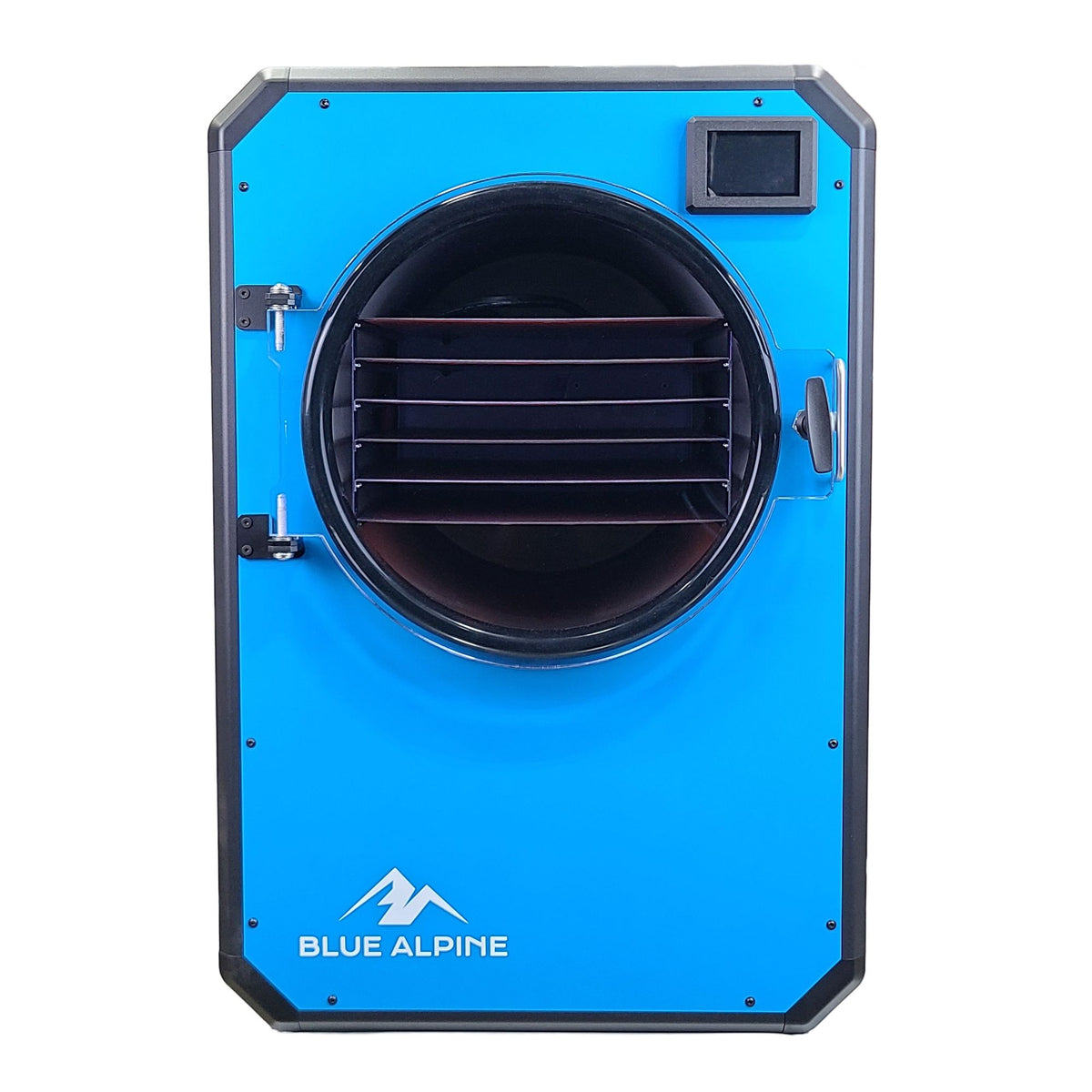
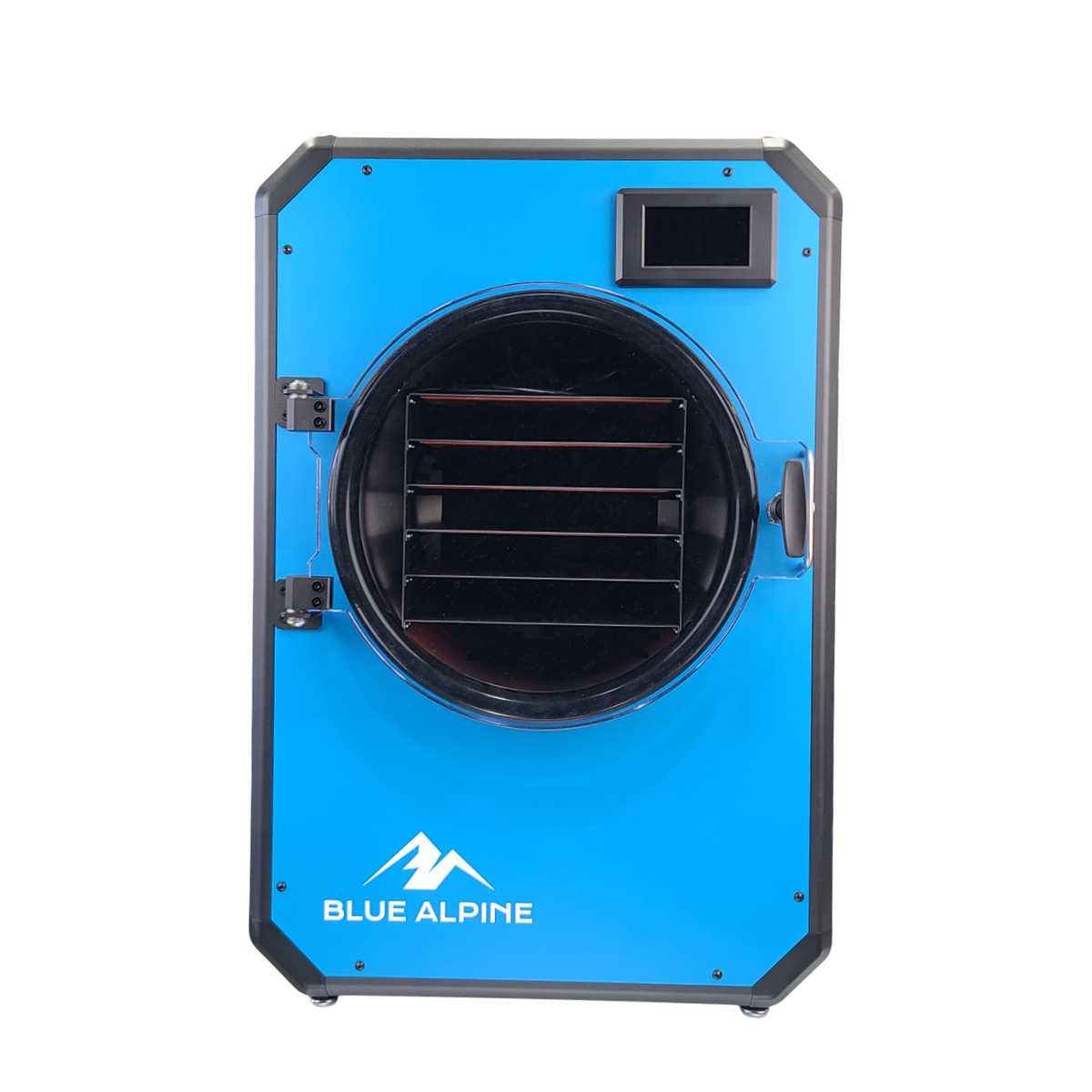
Medium Freeze Dryer Sky Blue Front No Background
$3,095.00
Size
Trim

Select

Get the essential freeze-drying features you need for reliable, everyday freeze drying at a great value.

Color: Sky Blue
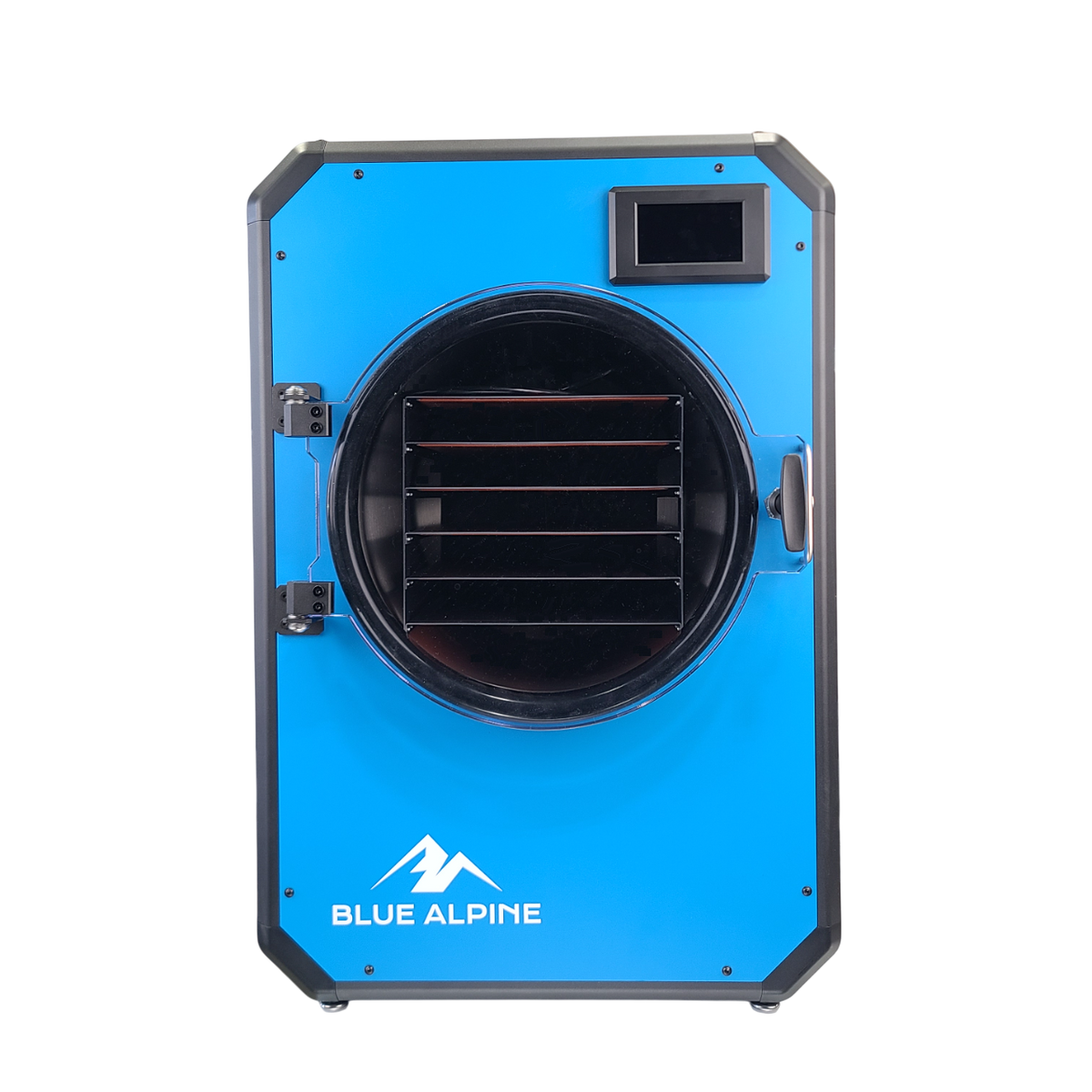
Included with every freeze dryer

Everything You Need to Get Started

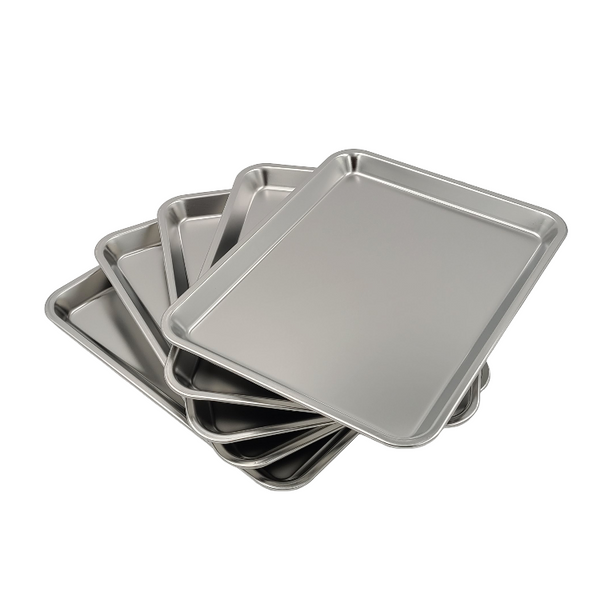
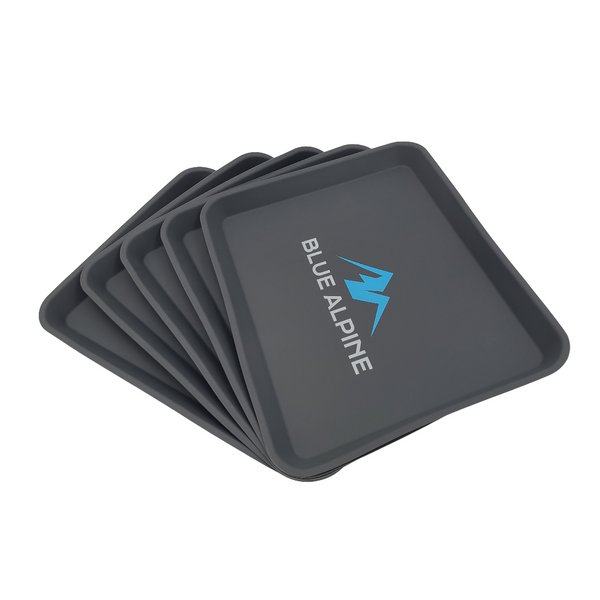
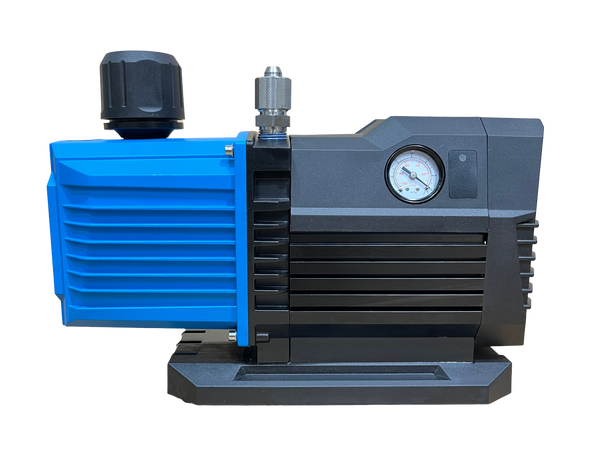
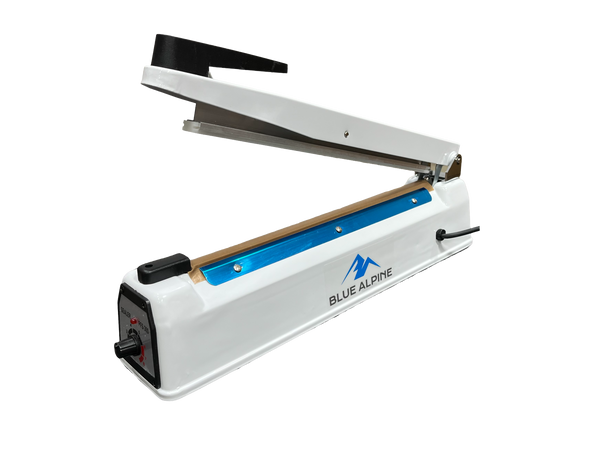
Every Blue Alpine freeze dryer ships with the pump, trays, and packaging supplies you need for your first batches.

Over $890 in accessories included with every Blue Alpine freeze dryer

FAQ

Questions About Long-Term Food Storage

What people ask most when they start building a food supply.

How long does freeze-dried food really last?

When it's properly dried, sealed in mylar with an oxygen absorber, and stored cool and dark, freeze-dried food can last 30 years or more. Poor packaging or heat and humidity will shorten that.

Do I need special storage space?

No. A pantry shelf, closet, or basement works well, as long as it stays cool, dark, and dry. Freeze-dried food is light and compact, so a lot fits in a small space.

How is this different from buying emergency food kits?

You choose the food. Instead of a fixed menu, you can store your own recipes, your favorite fruits and vegetables, and meals your family already knows they like.

How do I know if stored food is still good?

Check that the bag is still sealed and the food is dry and crisp. If a bag has lost its seal or the food feels soft or smells off, don't eat it.

Stock Your Shelves with Confidence

Real food, your recipes, and a supply that's ready when you need it.